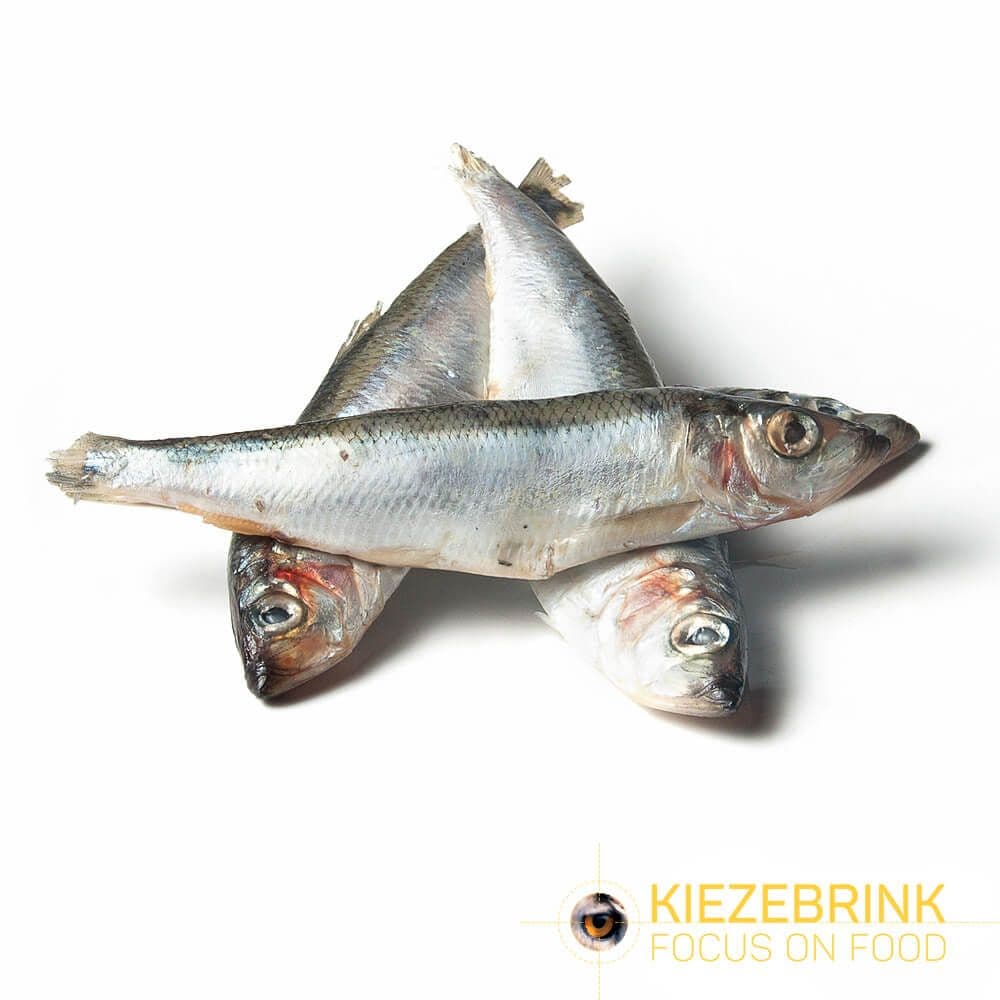
Price per: 10 kg box
Natural diet Piscivorous eagles
Eagles that primarily eat fish as part of their diet (often more than 80%) are typically found near water sources, such as rivers, lakes, and oceans. They are opportunistic carnivores that feed on a wide variety of fish species, depending on the availability and the size of the eagle. Occasionally, these species also consume other aquatic animals, mammals and other birds.



5-10%
If an animal weighs 4,5 kg and eats 8% of its body weight, it will get
4,5 x 0,08 = 0,36 kg feed in total per day
19% Meat and whole prey
80% Fish products
1% Supplements
0,19 x 0,36 kg = 68 g meat and whole prey
0,8 x 0,36 kg = 288 g fish products
0,01 x 0,36 kg = 4 g supplements
5-10%
If an animal weighs 4,5 kg and eats 8% of its body weight, it will get
4,5 x 0,08 = 0,36 kg feed in total per day
19% Meat and whole prey
80% Fish products
1% Supplements
0,19 x 0,36 kg = 68 g meat and whole prey
0,8 x 0,36 kg = 288 g fish products
0,01 x 0,36 kg = 4 g supplements
Variety of fish/prey
Whole fish/prey
Supplements
Live prey
An unbalanced diet may result in one of these more commonly occurring diseases/conditions:
Variety of fish/prey
Whole fish/prey
Supplements
Live prey
An unbalanced diet may result in one of these more commonly occurring diseases/conditions:
Recommended products for this animal