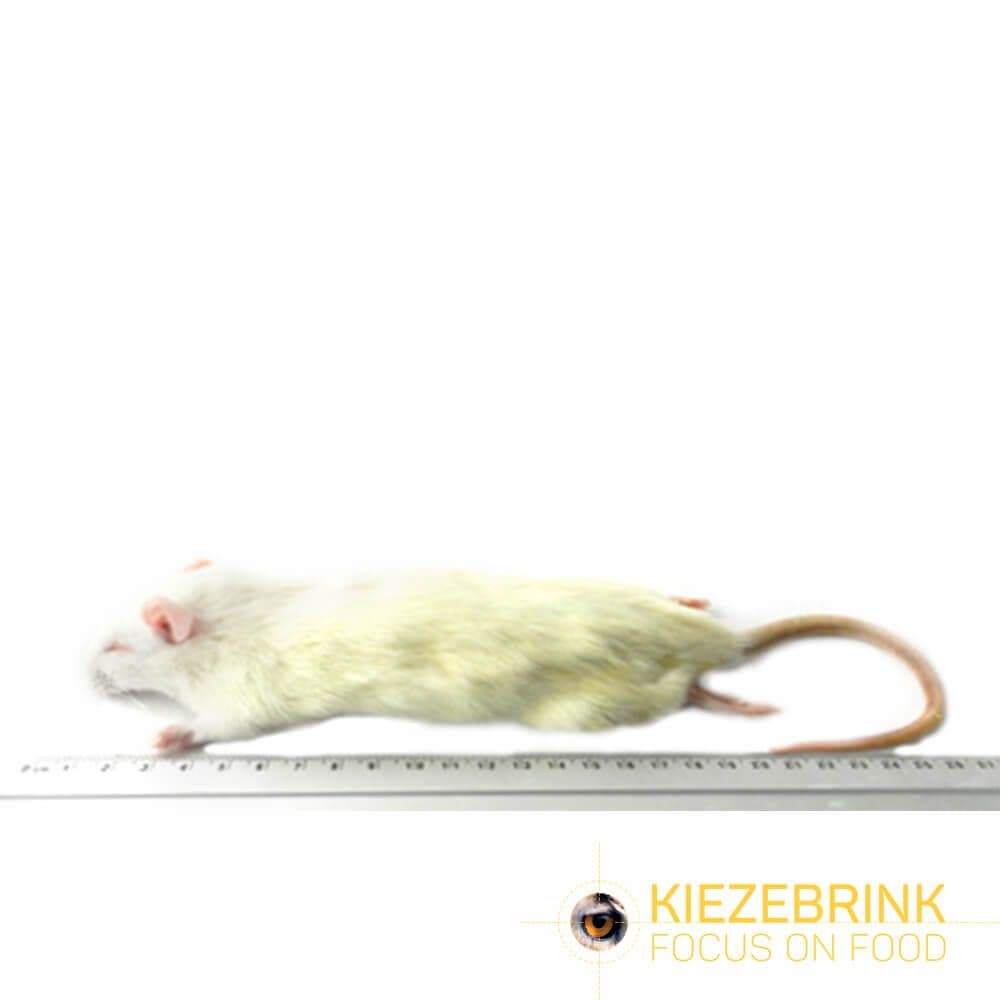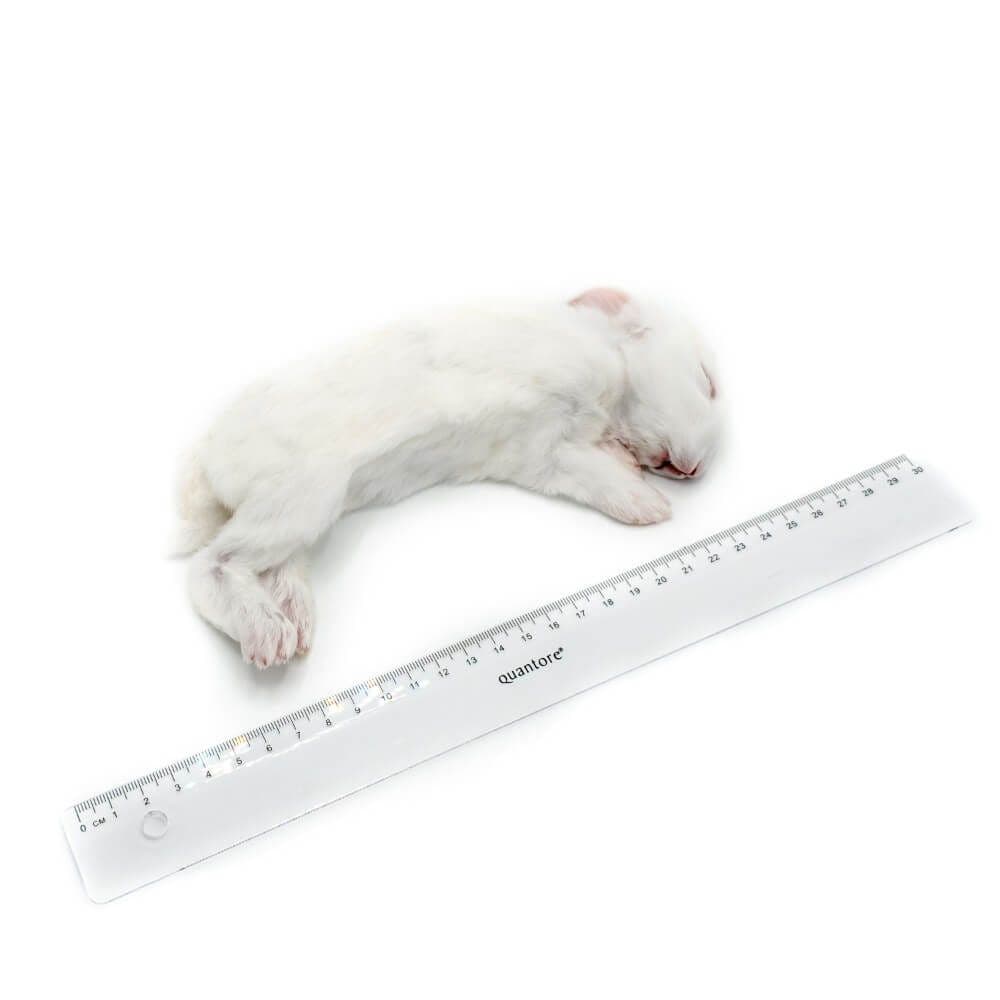
Price per: 10 kg box
Natural diet Harris hawk
Harris hawks are opportunistic carnivores that feed on a wide variety of prey such as rodents, reptiles, small mammals, birds and insects. They are known to hunt cooperatively in groups, which is unique among the birds of prey.

6-10%
If an animal weighs 1 kg and eats 8% of its body weight, it will get
1 x 0,08 = 0,08 kg feed in total per day
99% Meat and whole prey
1% Supplements
0,99 x 0,08 kg = 79 g meat and whole prey
0,01 x 0,08 kg = 1 g supplements
6-10%
If an animal weighs 1 kg and eats 8% of its body weight, it will get
1 x 0,08 = 0,08 kg feed in total per day
99% Meat and whole prey
1% Supplements
0,99 x 0,08 kg = 79 g meat and whole prey
0,01 x 0,08 kg = 1 g supplements
Variety of prey
Whole prey
Supplements
Live prey
An unbalanced diet may result in one of these more commonly occurring diseases/conditions:
Variety of prey
Whole prey
Supplements
Live prey
An unbalanced diet may result in one of these more commonly occurring diseases/conditions:
Recommended products for this animal