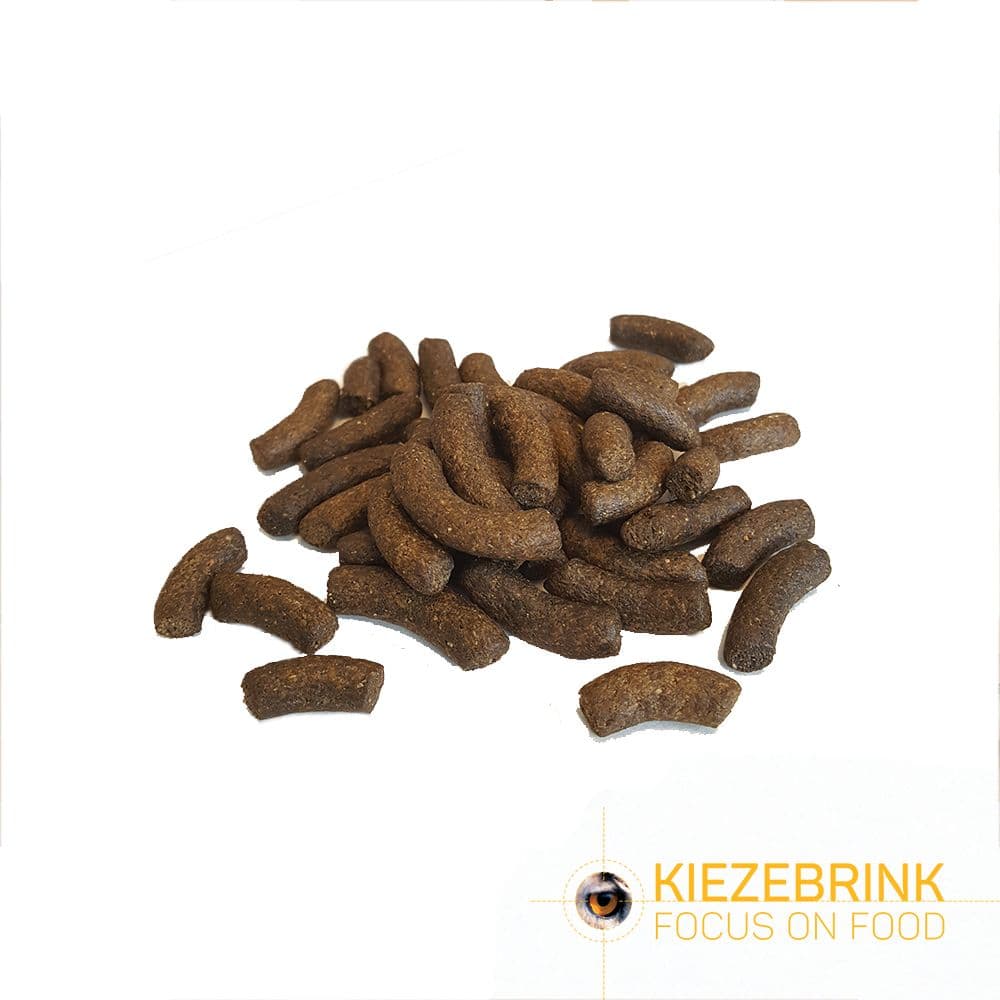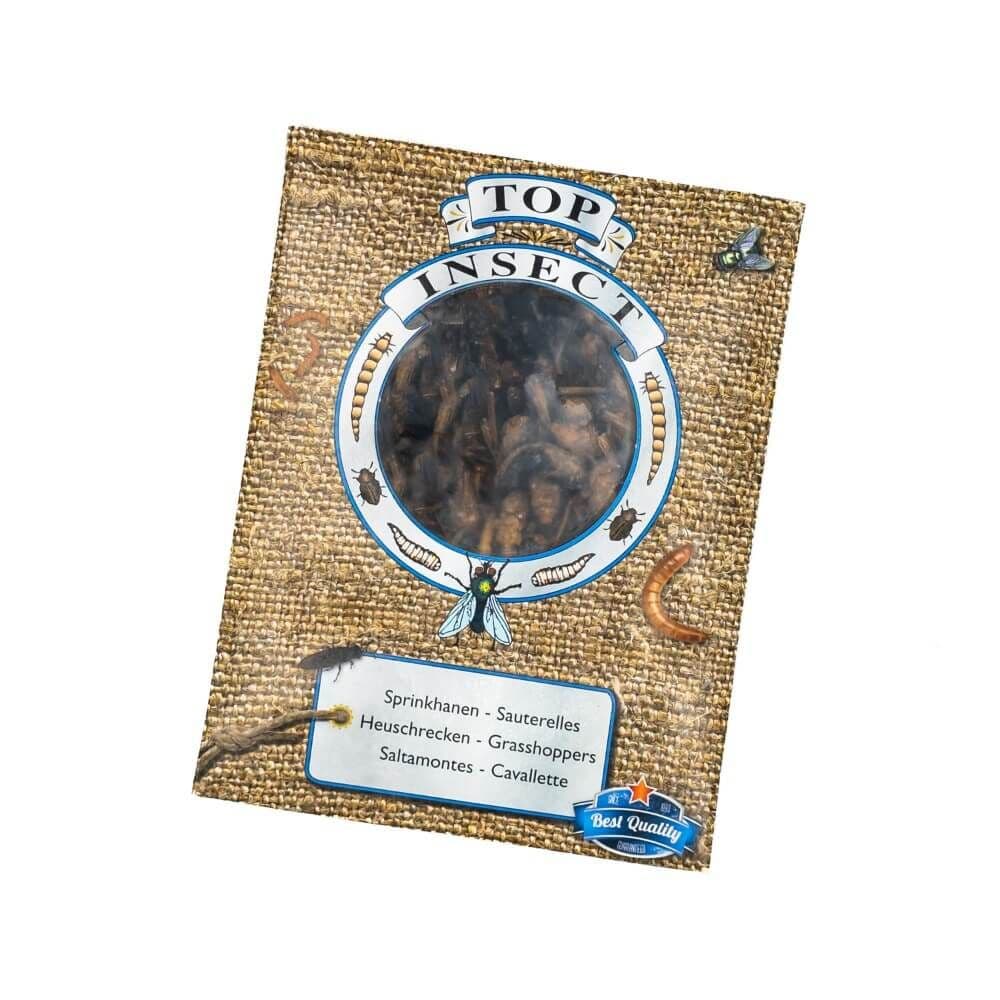
Grasshoppers51006
Price per: 1 l box
Natural diet Gummivorous marmosets and tamarins
Gummivorous marmosets and tamarins are a collection of omnivorous primates that feed upon a wide variety of food such as nectar, fruit, leaves, and insects. However, their primary type of food is gum or tree sap.



20-30%
If an animal weighs 0,1 kg and eats 25% of its body weight, it will get
0,1 x 0,25 = 0,03 kg feed in total per day
20% Insects and other invertebrates
10% Concentrates
35% Other vegetables
35% Other
0,2 x 0,03 kg = 5 g insects and other invertebrates
0,1 x 0,03 kg = 3 g concentrates
0,35 x 0,03 kg = 9 g other vegetables
0,35 x 0,03 kg = 9 g other
20-30%
If an animal weighs 0,1 kg and eats 25% of its body weight, it will get
0,1 x 0,25 = 0,03 kg feed in total per day
20% Insects and other invertebrates
10% Concentrates
35% Other vegetables
35% Other
0,2 x 0,03 kg = 5 g insects and other invertebrates
0,1 x 0,03 kg = 3 g concentrates
0,35 x 0,03 kg = 9 g other vegetables
0,35 x 0,03 kg = 9 g other
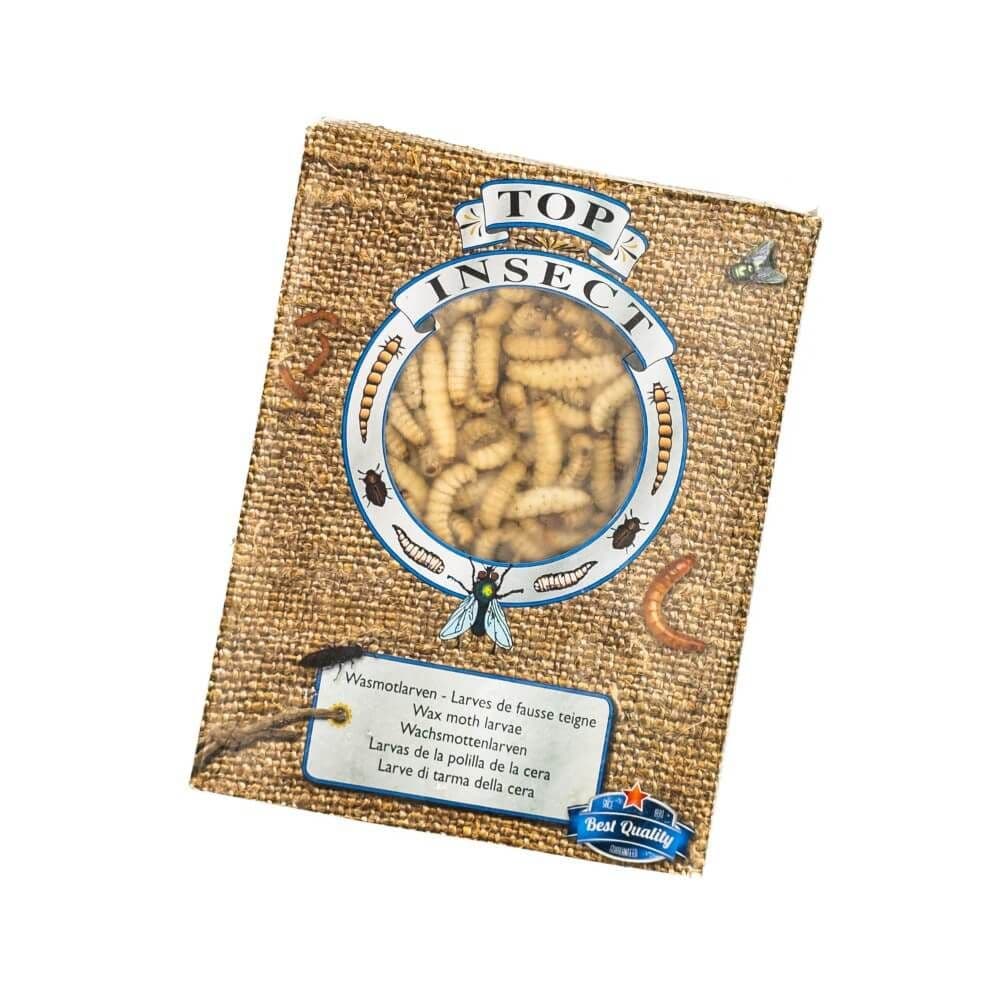
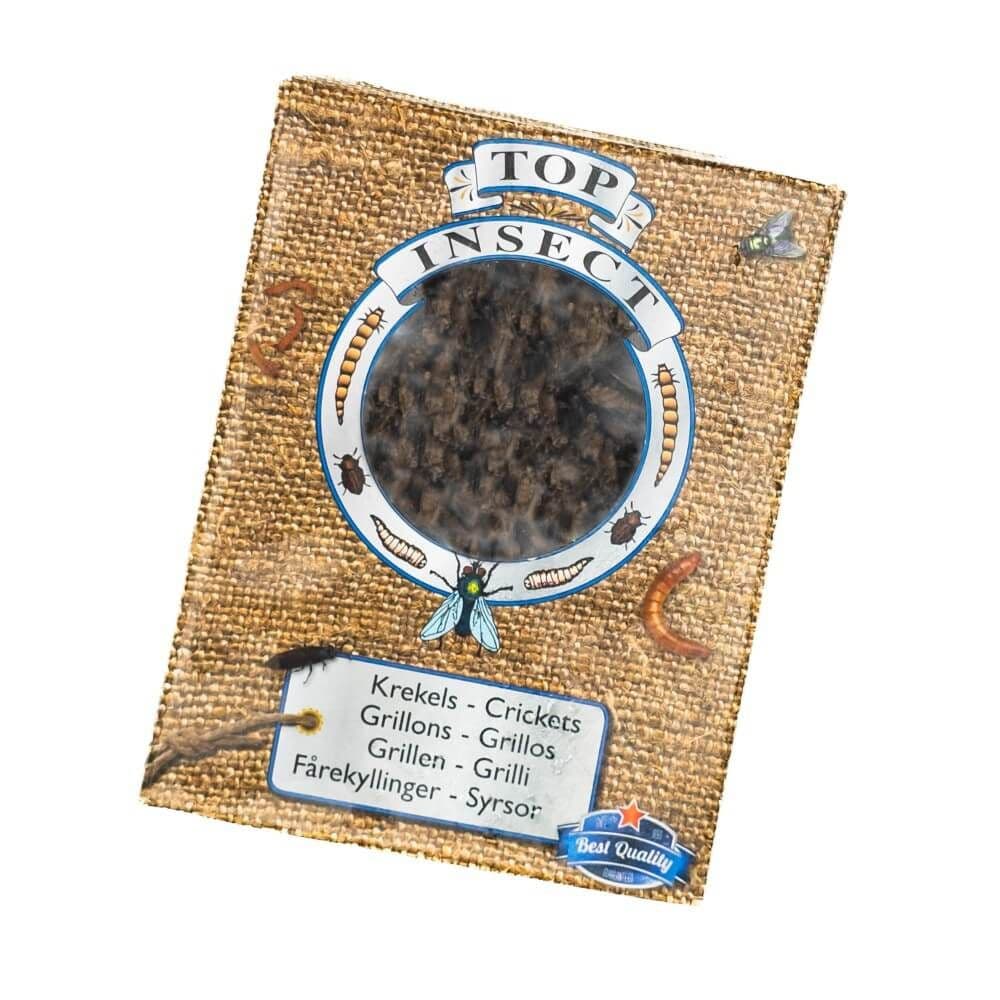
Insects
Variety of vegetables
Gum
Tamarin cake
Fruits
An unbalanced diet may result in one of these more commonly occurring diseases/conditions:
Insects
Variety of vegetables
Gum
Tamarin cake
Fruits
An unbalanced diet may result in one of these more commonly occurring diseases/conditions:
Pygmy marmoset
Silvery marmoset
Buffy tufted-ear marmoset
Buffy-headed marmoset
White-fronted marmoset
White-eared marmoset
Black-tufted marmoset
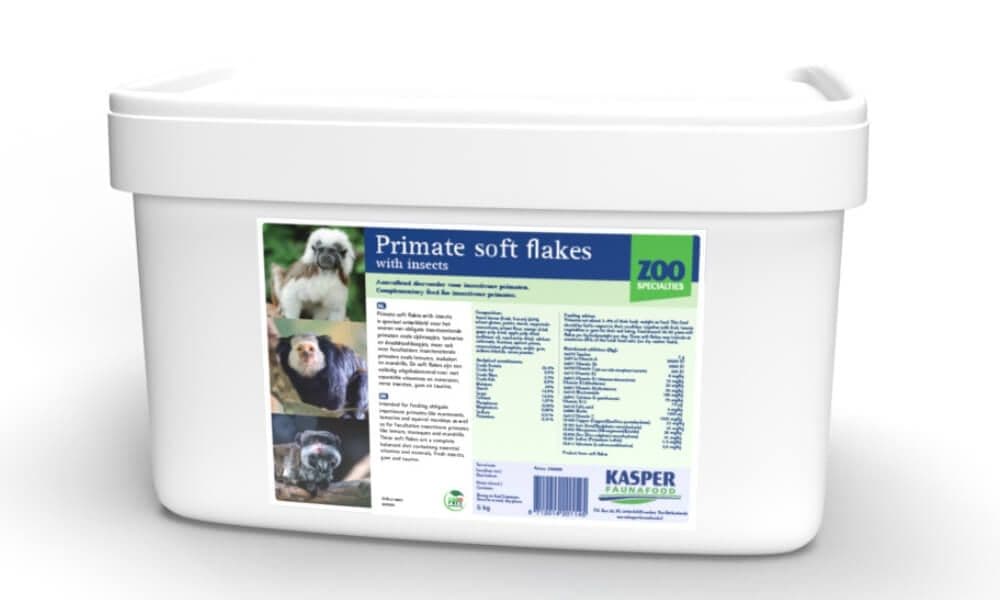
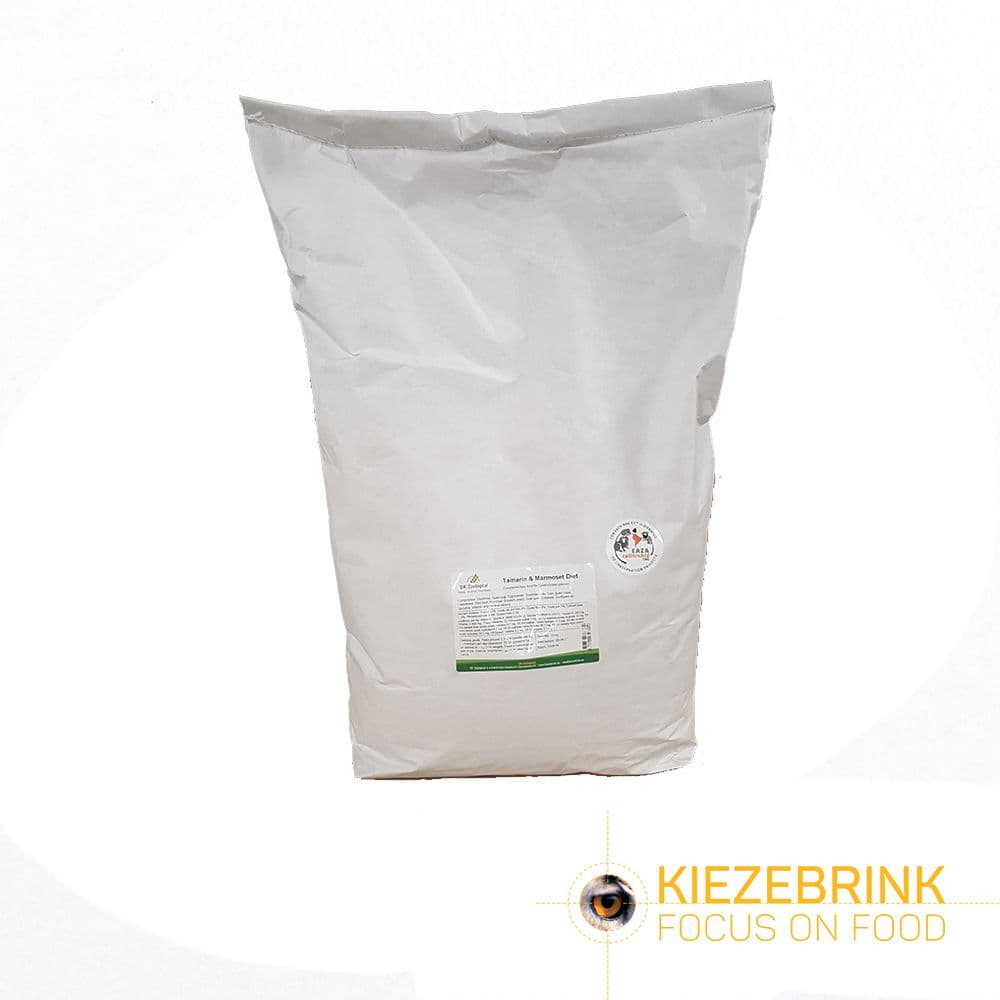
Recommended products for this animal